Our webinars offer innovative ways to engage students with STEM in traditional classroom or virtual environments. Our experienced educational technology specialists will walk you through experiments that students can do using our free sample data.
Tuesday, July 28, 2026
10:00–11:00 a.m. PDT | 1:00–2:00 p.m. EDT
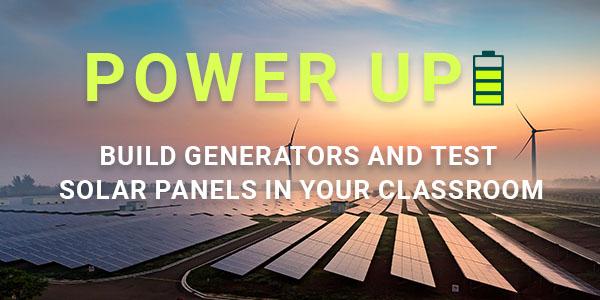
What does it take to generate electricity from scratch, and how much does the angle of a solar panel actually matter? In this free webinar, we walk through two hands-on activities using Vernier’s new Energy and Natural Resources solution, showing how students move from building and testing a generator to collecting real solar power output outdoors—the kind of work that mirrors what technicians and engineers do in the field.
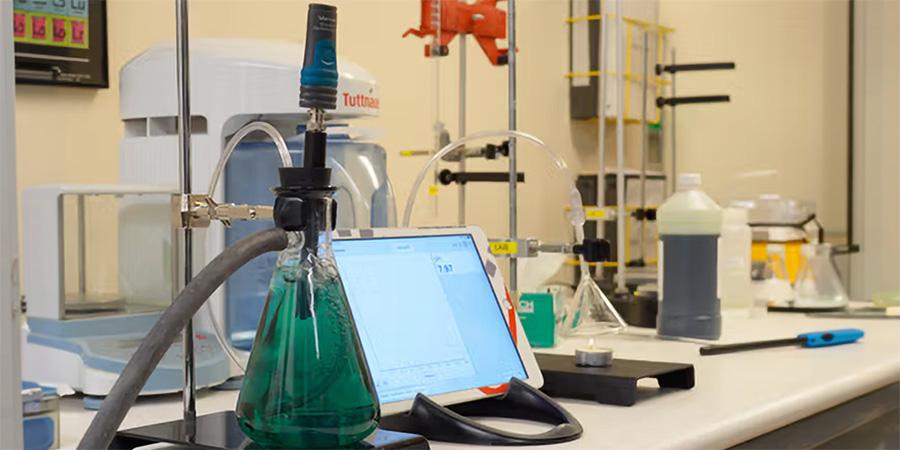
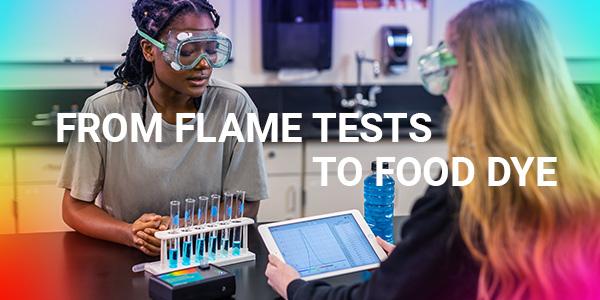
The Go Direct® SpectroVis® Plus Spectrophotometer spans more of your curriculum than you might expect. Vernier chemistry expert and former educator Nüs Hisim demonstrates two different investigations—one in atomic structure, one in food chemistry—and shows how one sensor can anchor both. Whether you’re building a case for a new sensor purchase or looking for fresh activities to energize your chemistry classroom, this session shows you exactly what the SpectroVis Plus can do.
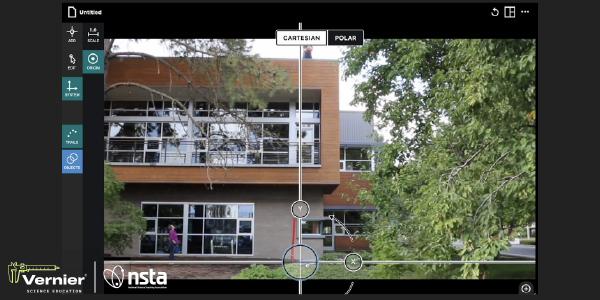
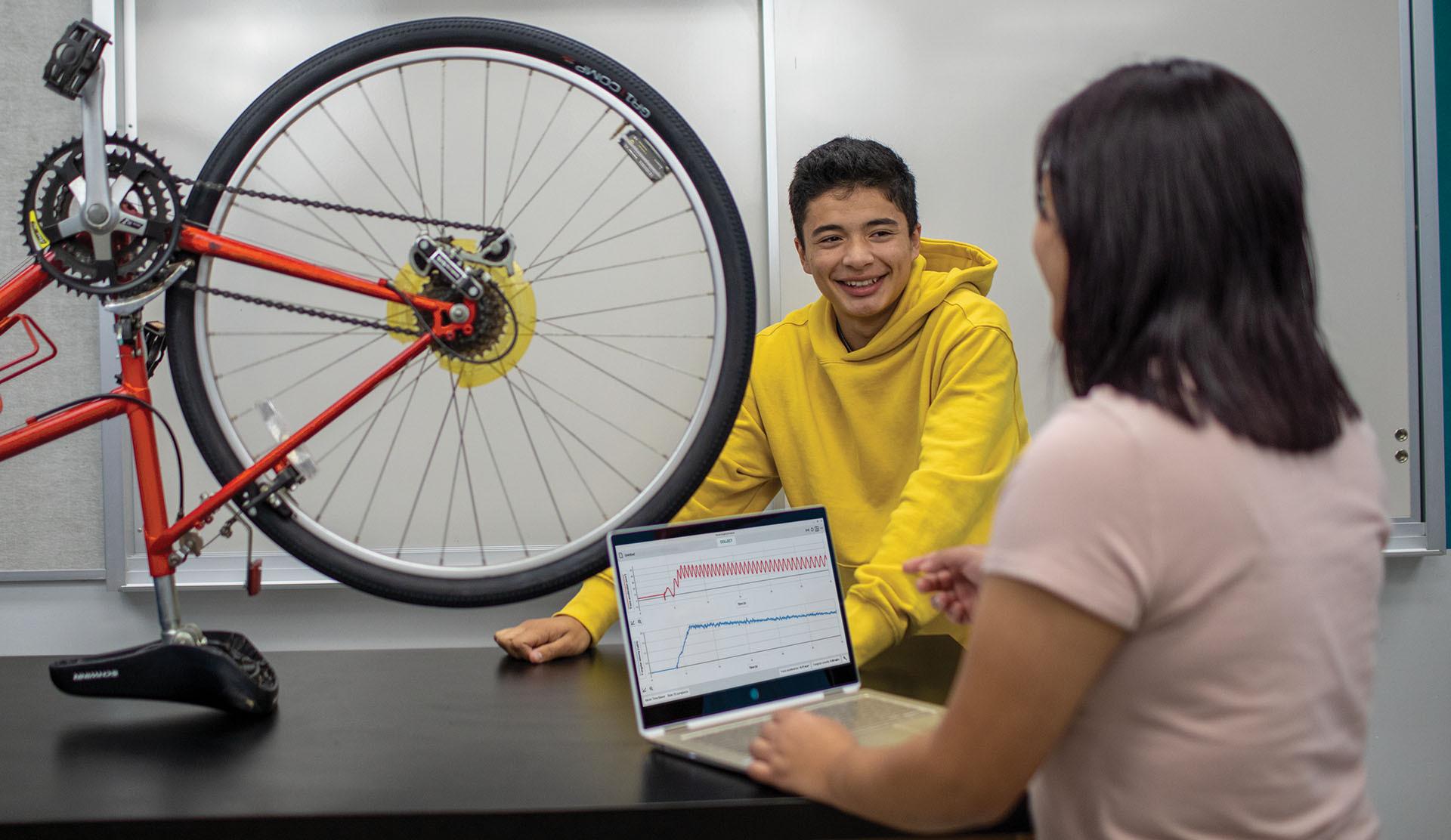
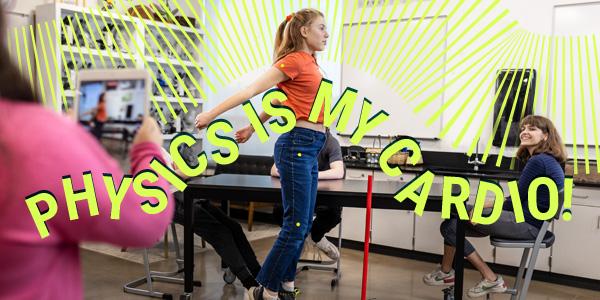
What if your students could analyze a sprint, a bench press, and a bicep curl—and walk away understanding kinematics, conservation of energy, and rotational motion? Vernier educators Fran Poodry and John Melville show you how to turn everyday human movement into compelling physics investigations using Vernier Video Analysis®.
What does real space physics have in common with a galaxy far, far away? More than you might think. In this free webinar, Vernier physics experts Josh Ence and Fran Poodry explore the physics behind some of the universe’s most compelling phenomena (on and off screen), using hands-on sensor investigations and video analysis that students can experience in the classroom.
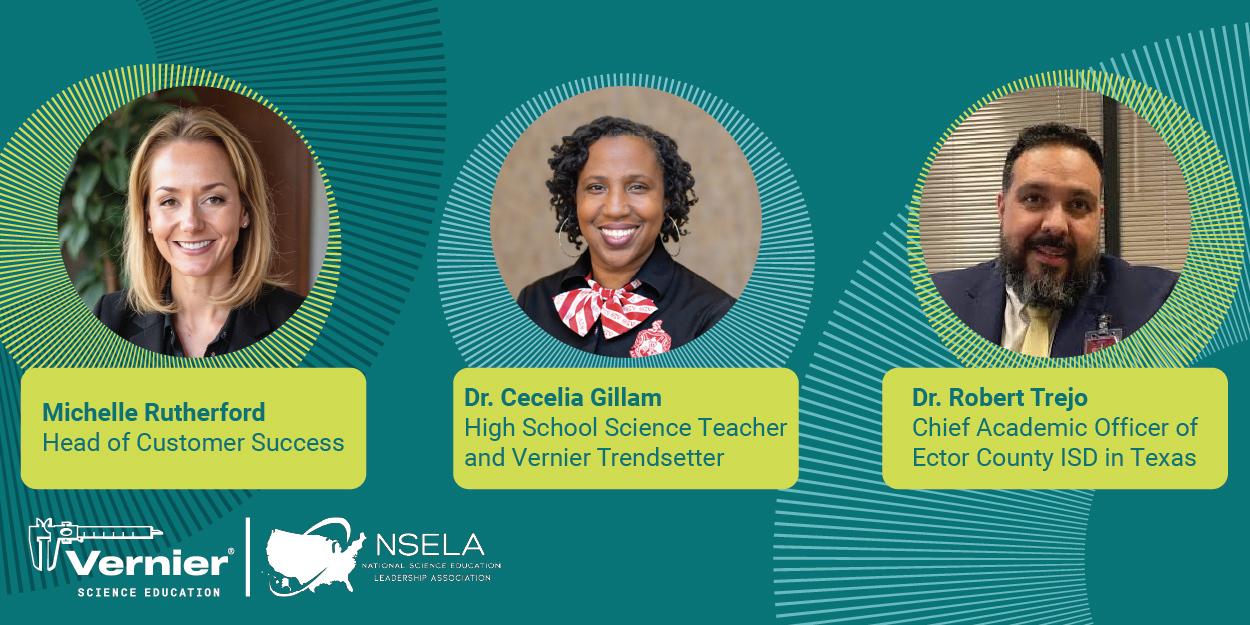
Join hosts Michelle Rutherford, Head of Customer Success and Allison Gillentine, K–12 Partnership Manager at Vernier Science Education for a panel conversation with Jennifer Wimberley and Jennifer DeKok—educators with firsthand experience using Connections in their classrooms. They’ll share what’s working, how students are responding, and how using Connections impacts student learning outcomes.
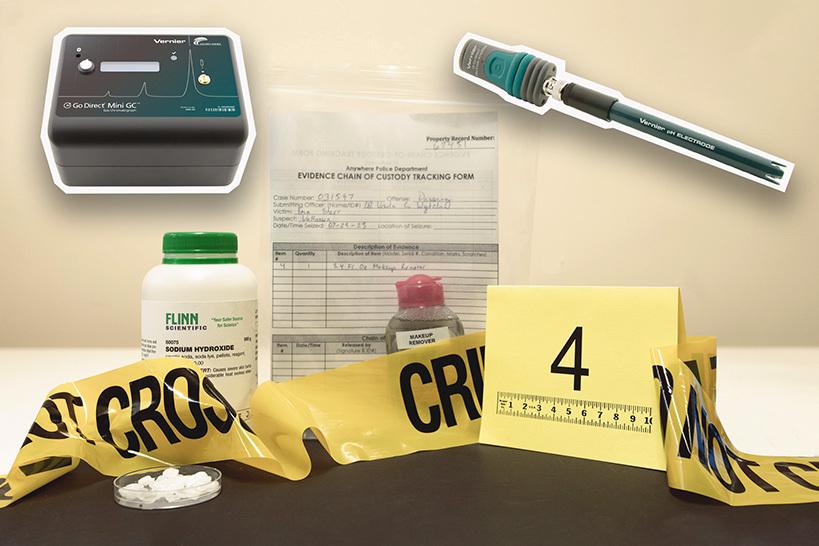
What if your students could identify an arsonist, investigate a poisoning, and analyze crime scene evidence—all using chemistry techniques they’re already learning? Vernier chemistry expert Nüs Hisim and Trendsetter educators Anne Lavelle and Randy Booth demonstrate three forensic investigations that connect calorimetry, acid-base titrations, and gas chromatography to real-world crime-solving scenarios from the Forensic Chemistry Experiments lab book.
You will be sent to NSTA to view the video. You may be asked to create an account.
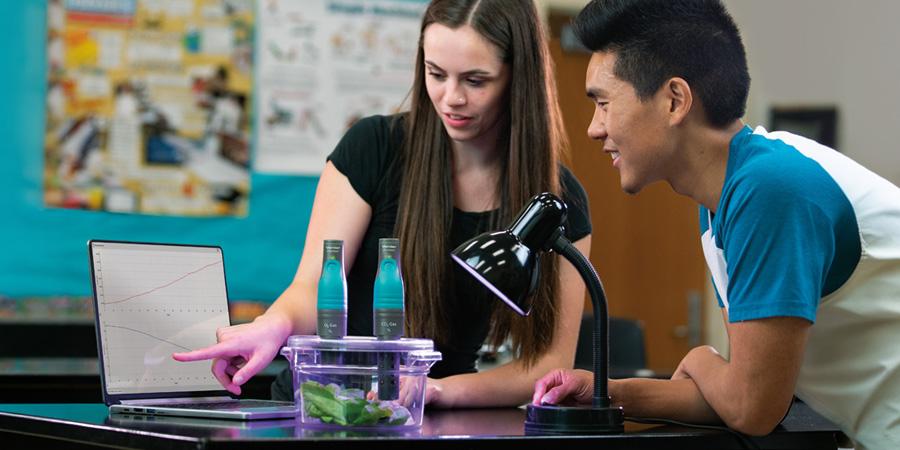
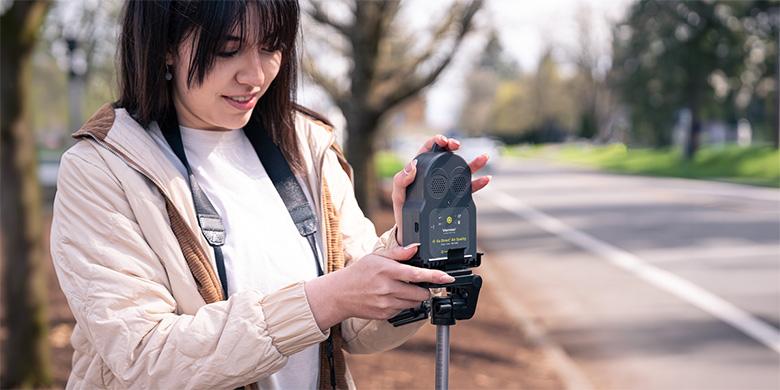
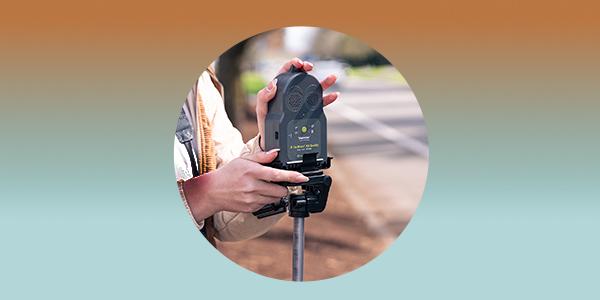
Is the air in your classroom actually cleaner than the parking lot outside? Your students probably have an opinion—but do they have the data? Vernier biology expert Colleen McDaniel and chemistry expert Dr. Melissa Hill walk through place-based air quality investigations that help students connect real environmental data to the health of their own communities.
When it comes to on-demand professional development for science educators, we’ve got you covered—explore our online training library today!
Interested in free professional development specific to your needs? Request a free personalized virtual training with our experts.
Subscribe to our monthly newsletter, Beyond Measure.